Following the sale of its U.S. operations to Hull Street Energy, FirstLight, will continue its Canadian operations under a new identity: Caelo Energy. This transition will have no impact on our development and operations activities in Canada, which will continue as planned.
About us
Our name, Caelo (KY-loh), is derived from the Latin word caelum, meaning "sky." It reflects the source of the natural elements that power our projects: the sun, the wind, and the water, and our commitment to developing renewable energy that benefits both people and the environment.
Formerly operating as FirstLight Canada, which brought together legacy platforms H2O Power and Hydromega, Caelo Energy represents the next chapter in our evolution. With a focus on the Canadian market, we are building a diverse portfolio of energy projects that support Canada's growing electricity needs while helping achieve long-term climate and energy goals.
Our vision
Building on decades of experience as a renewable energy operator and developer, our mission is to expand our assets across Canada through responsible development, meaningful partnerships, and operational excellence. As the energy landscape continues to evolve, Caelo Energy is uniquely positioned to help shape a cleaner, more resilient, and sustainable energy future.
Water Management
Ontario Water Management
To view the data, you will need a Portable Document Format (PDF) viewer. Click here to get Adobe Reader, a free PDF reader.
Abitibi River
Kapuskasing River
Seine River
Rainy-Namakan Basin
Quebec Water Management
Scheduled Outflow Changes
| Water Body | Scheduled Date | Outflow (m³/s) | Elevation Change | Posted | |||
| (ISO 8601) | Previous | Upcoming | Change | Above Dam | Below Dam | (ISO 8601) | |
| Namakan Lake | 2026-10-21 | 65 | 35 | -30 | Stable | Decrease | 2026-10-29 12:20 |
| Rainy Lake | 2026-11-15 | 170 | 150 | -20 | Stable | Decrease | 2026-10-29 12:21 |
Rainy Lake
| Canal Gates Open (max 5) | Dam Gates Open (max 10) | Last Change Date | Last Change |
| 0 | 0 | 2026-10-28 12:00 | outflow increase to 170cms |
Namakan Lake
| Kettle Falls (International Dam) | Squirrel Falls (Canadian Dam) | ||||||||||||
| USA Sluices | Canada Sluices | ||||||||||||
| Bay 1 (Fishway) | Bay 2 | Bay 3 | Bay 4 | Bay 5 | Bay 6 (Fishway) | Bay 7 | Bay 8 | Bay 9 | Bay 10 | Total | Last Change Date | Last Change | |
| Log Count | 13 | 20 | 20 | 18 | 18 | 11 | 11 | 13 | 13 | 12 | 149 | ||
| Logs Out | 13 | 11 | 11 | 0 | 0 | 11 | 0 | 0 | 0 | 0 | 46 | 2026-10-05 16:00 | Bay #10 – Remove 9 logs |
Projects
Caelo is a leading clean energy company with operating and development projects in Ontario and Québec.
Our operating assets comprise a diverse and growing portfolio of over 200MW of hydroelectric generation in Québec and Ontario. Our development pipeline includes over 300 MW of hydro, solar, and wind projects. At Caelo, we specialize in hybrid solutions that pair clean energy with energy storage to deliver flexibility and reliability as we transition to a clean energy future.
Learn more about our operating and development projects.
Operating Projects
Ontario
The Norman Generating Station is a five-unit hydroelectric station located on the Winnipeg River at the outlet of Lake of the Woods in the town of Kenora. The dam was constructed in 1898 and the powerhouse completed in 1926. The station has an installed capacity of 12.8 MW at a gross head of 5.7 meters.
River System: Winnipeg River
Capacity: 12.8 MW
Turbines: 5 Vertical Propeller
Originally Built: 1926
The Twin Falls Generating Station is a five-unit hydroelectric station located on the Abitibi River. The station was built in 1922, all five generators were rewound between 1982 and 1992 to increase capacity, the switch gear modernized in 1999, and controls modernized in 2009. The original turbine runners were replaced in 2012 after 90 years of service. The station currently has an installed capacity of 27.5 MW at a gross head of 17 meters.
River System: Abitibi River
Capacity: 27.5 MW
Turbines: Five Vertical Francis
Originally Built: 1922
The Fort Frances Generating Station is an eight-unit run-of-river hydroelectric generating station located on the Rainy River in the town of Fort Frances. The station was built in 1909 and equipped with horizontal turbines that were used to grind wood and generate power. In 1954, all original equipment was removed and replaced with eight vertical turbine generators. The station has an installed capacity of 13.1 MW at a gross head of 9.1 meters.
River System: Rainy River
Capacity: 13.1 MW
Turbines: 8 Vertical Propeller
Originally Built: 1909
The Calm Lake Generating Station is a two-unit run-of-river hydroelectric station located on the Seine River at the outlet of Calm Lake. The station was originally built in 1928, both turbine runners were replaced in the 1960’s, both generators were rewound in the mid 1980’s, and the main transformer and associated electrical equipment were replaced in 2006. One runner was replaced in 2016. The station has an installed capacity of 9.5 MW at a gross head of 24.9 meters.
River System: Seine River
Capacity: 9.5 MW
Turbines: 2 Vertical Francis
Originally Built: 1928
The Island Falls Generating Station is a four-unit hydroelectric station located on the Abitibi River in Tolmie and Menapia Townships. The station was built in 1925, with two of the four units operating at 25 Hz. In 1996, the station was modernized and all units were converted to 60 Hz operation. In 2018 one turbine was replaced and the unit rewound, with a second to be completed soon. The station has an installed capacity of 44.3 MW at a gross head of 19 meters. Located 30 km north of the confluence of the Abitibi and Frederickhouse Rivers, the station is a run-of-river plant. Local storage capability allows a moderate level of peaking performance during all but freshet conditions.
River System: Abitibi River
Capacity: 44.3 MW
Turbines: 4 Vertical Francis
Originally Built: 1925
The Kenora Generating Station is a six unit hydroelectric station located on the Winnipeg River at the outlet of Lake of the Woods in the town of Kenora. The station was built in 1906 and was reconfigured from horizontal to ten vertical turbines between 1921-26. The station was rebuilt in 2019 with six vertical units and has an installed capacity of 5.5 MW at a gross head of 5.7 meters.
River System: Winnipeg River
Capacity: 5.5 MW
Turbines: 6 Vertical Propeller
Originally Built: 1906
The Sturgeon Falls Generating Station is a two-unit run-of-river hydroelectric generating station located on the Seine River approximated 90 km east of the town of Fort Frances. The station was built in 1927, both turbine runners were replaced in the mid 1960’s, both generators were rewound in the mid 1980’s, and the main transformer and associated electrical equipment were replaced in 2004. The generators were rewound and runners replaced again in 2016. The station has an installed capacity of 8.4 MW at a gross head of 19.8 meters.
River system: Seine River
Capacity: 8.4MW
Turbines: 2 vertical Francis
Originally Built: 1927
The Iroquois Falls Generating Station is a twelve-unit run-of-river hydroelectric station located on the Abitibi River in Teefy Township. The original powerhouse was completed in 1914 with fourteen turbines, where ten turbines drove pulp grinders and four turbines were configured to drive electric generators. The station was reconfigured in 1946, where all fourteen turbines were reconfigured to drive electric generators for a capacity of 20 MW. In 2002-2004, the station was redeveloped to provide nine new Kaplan turbines and three of the remaining units were refurbished, resulting in a total capacity of 29.7 MW at a head of 13 meters.
River System: Abitibi River
Capacity: 29.7 MW
Turbines: 9 Vertical Saxo Kaplan, 3 Horizontal Double Francis
Originally Built: 1914
Big Beaver Falls is a 5.5 MW hydroelectric facility on the Kapuskasing River in Northeastern Ontario.
River System: Kapuskasing River
Capacity: 5.5 MW
Annual Production: 21,641 MWh
Commissioning: Spring 2013
Camp Three Rapids is a 5.5 MW hydroelectric facility on the Kapuskasing River in Northeastern Ontario.
River System: Kapuskasing River
Capacity: 5.5 MW
Annual Production: 21,641 MWh
Commissioning: Spring 2013
White Otter Falls is a 5.5 MW hydroelectric facility on the Kapuskasing River in Northeastern Ontario.
River System: Kapuskasing River
Capacity: 5.5 MW
Annual Production: 21,106 MWh
Commissioning: Summer 2013
Old Woman Falls is a 5.5 MW hydroelectric facility on the Kapuskasing River in Northeastern Ontario.
River System: Kapuskasing River
Capacity: 5.5 MW
Annual Production: 21,106 MWh
Commissioning: Early 2013
Okikendawt is a 10 MW hydroelectric facility on the French River in Dokis, Ontario.
River System: French River
Capacity: 10 MW
Annual Production: 48,000 MWh
Commissioning: Summer 2015
Quebec
The Ayers-1 generating station is located on the Rivière-du-Nord in Lachute, Quebec. In combination with the Ayers-2 plant, which is about one kilometer upstream, it benefits from a power purchase agreement with Hydro-Québec Production for several years. The facility was built in the 1920s.
River System: Rivière-du-Nord
Capacity: 4.7 MW
Originally Built: 1920
Combined Capacity: 5.9 MW
The Ayers-2 generating station is located on the Rivière-du-Nord in Lachute, Quebec. In combination with the Ayers-1 plant, which is about one kilometer downstream, it benefits from a power purchase agreement with Hydro-Québec Production for several years. Originally, the plant, built in the late 1800s, served as a pumping station for the Ayers family’s industrial activities. It was converted into a hydroelectric power station in 1992 following a major refurbishment as part of the APR-91 program.
River System: Rivière-du-Nord
Capacity: 1.2 MW
Construction: 1992
Combined Capacity: 5.9 MW
RSP is a hydroelectric project comprised of two hydroelectric facilities on the Jacques Cartier River in Pont‐Rouge, Québec, with a combined capacity of 13.5 MW.
River System: Jacques Cartier River
Capacity: 13.5 MW
Facilities: 2
Long Term Average Generation: 65,810 MWh
Selected Development Projects
Ontario
Project Fast Facts
Technology: Solar Photovoltaic
Generation: 57.2 MW
Development Status: Development
Commercial Operation Estimate: 2029
About the Fort Frances Solar Project
Caelo is developing a solar project with a capacity 57.2 MWac on a combination of Municipal and private lands North of Fort Frances.
The project was submitted into the Ontario Independent Electricity System Operator (IESO) Long Term energy procurement process (LT2) that aims to bring new low carbon energy generation online to support Ontario’s forecasted economic and population growth.
The Fort Frances solar project would have the potential to supply clean electricity to approximately 8,000 Ontario households based on current average residential consumption.
Our Partnership
Indigenous Peoples have a vital presence and deep connection to the land where Caelo operates. In line with our commitment to respectful, long-term, and mutually beneficial relationships, we work with Indigenous communities to plan and deliver projects responsibly and inclusively.
This approach also supports the IESO’s objectives under the Long-Term 2 (LT2) procurement, which encourages Indigenous participation in energy projects to strengthen local partnerships and advance shared economic opportunities. As a 50% partner, Lac des Mille Lacs First Nation will be involved in the Project’s development. The Project will also support the First Nation’s growth, vision, and prosperity.
Project Updates
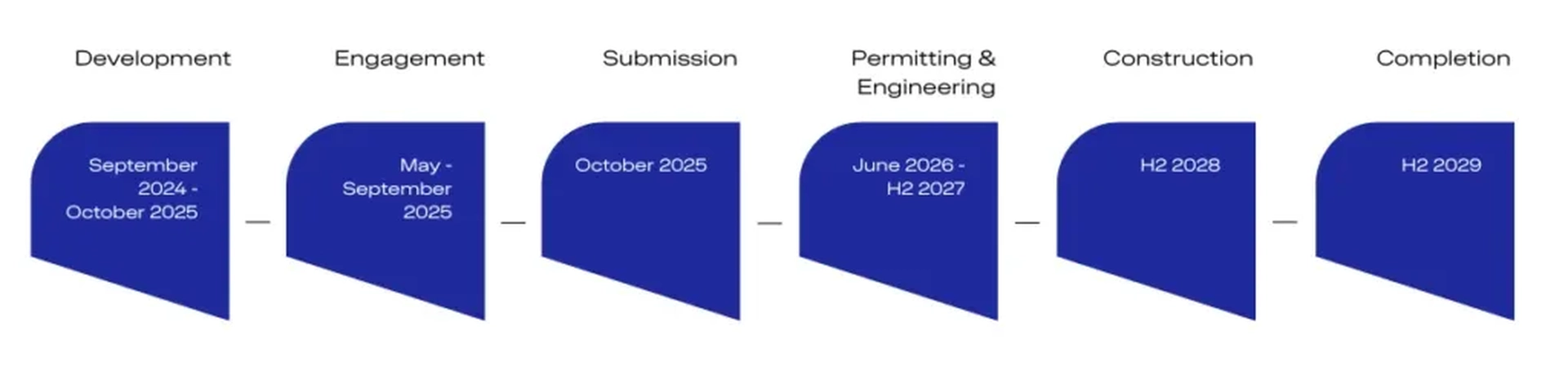
- Caelo Energy, in partnership with Lac des Mille Lacs First Nation, signed a Power Purchase Agreement (PPA) with the Independent Electricity System Operator (IESO) for the 57.2 MW Fort Frances Solar Project.
- Caelo has carried out preliminary engagement with the local community focusing with an initial presentation to the Fort Frances Mayor and Council in November 2024, providing an overview of the potential projects.
Documentation
Contact Us
Additional questions or comments can be directed to FortFrancesSolar@caeloenergy.com
Quebec
About the Beauharnois Wind Farm Project
Technology: Wind Turbine
Production: up to 100 MW
Development Status: Under Development
Commissioning Date: 2033
Caelo is developing a wind farm project on private land located in Saint-Urbain-Premier.
The project aims to be submitted to Hydro-Québec in February 2027 as part of a request for proposals (RPF) to develop new renewable energy sources to meet the projected growth in energy demand in Quebec.
The Beauharnois wind farm project has the potential to produce enough clean electricity to power the equivalent of approximately 32,000 Quebec homes, based on current average residential consumption.
Documentation and Resources
Contact us
For more information, write to us at: info.qc@Caelo.energy
About the Project
Technology: Wind Turbine
Production: up to 250 MW
Development Status: Under Development
Commissioning Date: 2033
About the Pierre-De Saurel 2027 Wind Farm Project
Caelo is developing a second wind farm located in the Pierre-De Saurel Regional County Municipality (MRC). Situated on private land, it would be spread across several municipalities within the MRC. At this stage, seven municipalities could be affected by the development.
The project aims to be submitted to Hydro-Québec in February 2027 as part of a request for proposals (RPF) to develop new renewable energy sources to meet the projected growth in energy demand in Quebec.
The Pierre-De Saurel 2027 wind farm project has the potential to produce enough clean electricity to power approximately 70,000 Quebec homes, based on current average residential consumption.
Documentation and Resources
Contact us
For more information, write to us at: info.qc@Caelo.energy